
What Are Dentures?
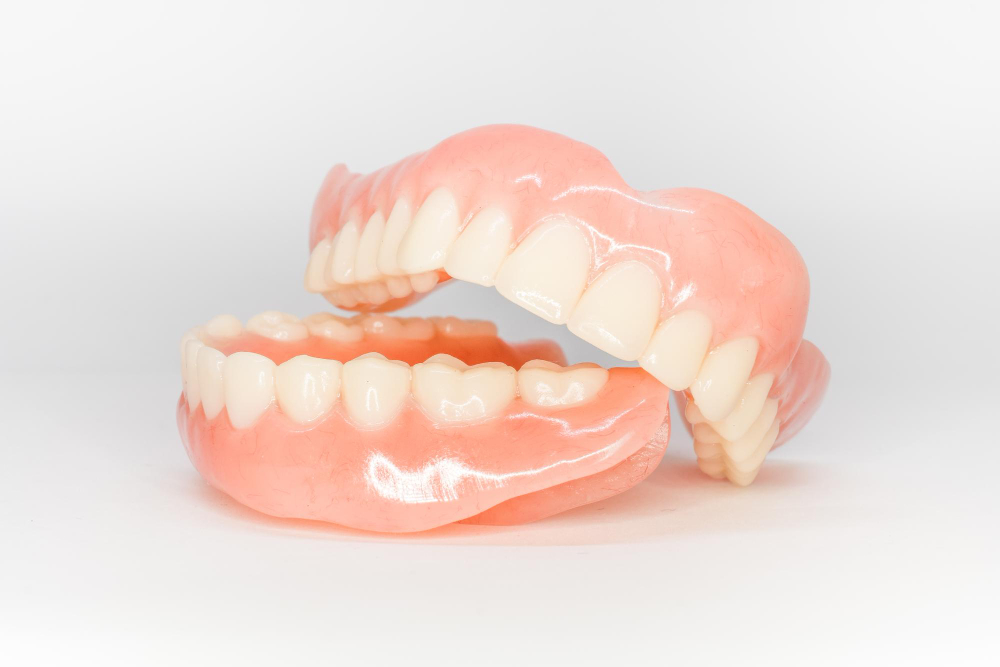
Dentures are removable devices that replace missing teeth. They help people chew food, speak clearly, and smile with confidence. Many people need dentures due to tooth loss from decay, injury, or gum disease. According to the World Health Organization, tooth loss is common, especially as people age. Because dentures restore function and appearance, they are a popular choice for many adults.
Types of Dentures
There are several types of dentures. Each type serves a different need. Understanding the types of dentures can help you choose the best option.
Benefits of Dentures
Dentures offer many benefits. First, they restore your ability to chew and speak. In addition, they improve your smile and facial shape. Some key dentures benefits include:
Common Reasons for Needing Dentures
Many people need dentures for different reasons. Tooth loss can happen due to:
Because missing teeth can affect your health and confidence, dentures are often recommended by dentists.
The Process of Getting Dentures
Getting dentures involves several steps. First, you will have a dental consultation. During this visit, your dentist will check your mouth and discuss your needs. Next, they will take impressions of your gums and teeth. These molds help create dentures that fit well. After that, you will try on a model to check the fit and look. Once the final dentures are ready, your dentist will make adjustments for comfort. Sometimes, more visits are needed to fine-tune the fit.
How to Care for Dentures
Proper care keeps your dentures clean and lasting longer. Here are some denture maintenance tips:
Because good care prevents stains and damage, it is important to follow these steps every day.
Common Challenges and Solutions
Some people face challenges with new dentures. However, most issues can be managed with time and care. Common problems include:
If you have ongoing discomfort, contact your dentist for advice and solutions.
Prevention of Oral Health Issues with Dentures
Even with dentures, you must care for your mouth. Clean your gums, tongue, and any remaining teeth daily. This helps prevent gum disease and infections. In addition, regular dental visits are important. Your dentist will check your mouth and dentures for any problems. Because good oral hygiene keeps your mouth healthy, make it a daily habit.
Conclusion
Dentures can restore your smile and improve your quality of life. With the right care and support, most people adjust well to dentures. Consult a dental specialist to find out if dentures are right for you.