
Introduction
Tooth decay, also called dental caries, is a common dental problem. It happens when bacteria in your mouth damage your teeth. If left untreated, tooth decay can lead to serious complications. Understanding the complications of tooth decay helps you protect your oral health. Early action can prevent pain and other problems.
What Is Tooth Decay? (Dental Caries)
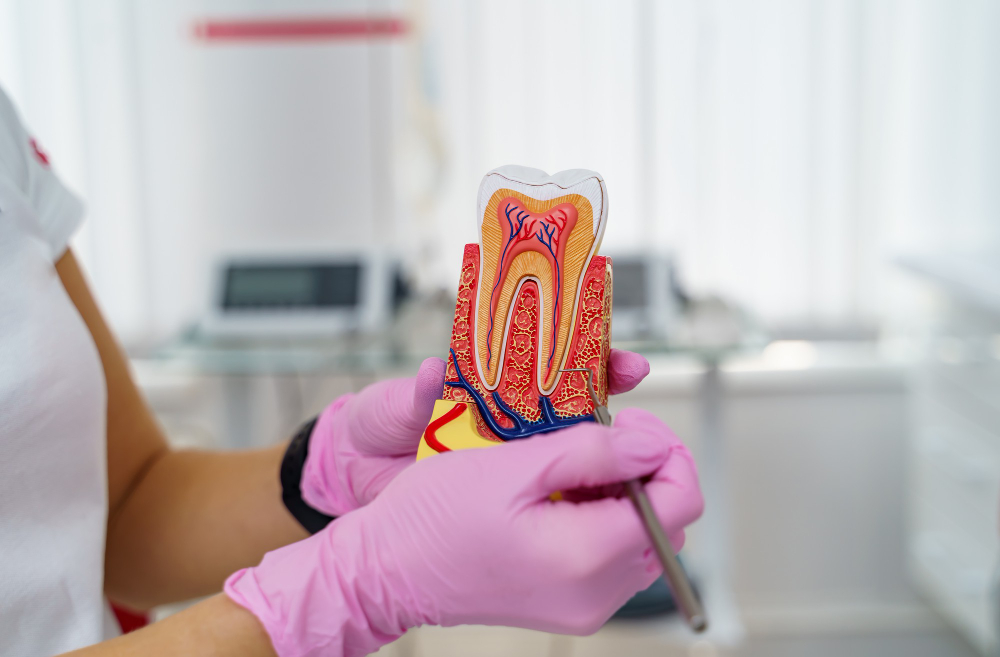
Tooth decay starts when bacteria break down sugars in your mouth. This process creates acids that harm your tooth enamel. Over time, these acids make small holes called cavities. If not treated, these cavities get bigger and deeper. As a result, the damage can reach the inner parts of your tooth. According to the World Health Organization (WHO), tooth decay is one of the most common health issues worldwide.
Common Complications of Tooth Decay
Tooth decay can cause many problems if not treated early. Below are the main complications you should know about.
Toothache and Pain
First, tooth decay often leads to toothache. You may feel sharp or throbbing pain. Sometimes, the pain gets worse when you eat or drink something hot, cold, or sweet. Because pain can affect daily life, it is important to address it quickly.
Tooth Abscess
Next, untreated cavities can cause an abscess. An abscess is a pocket of pus caused by infection. It can form at the root of your tooth. This condition is serious and may cause swelling, fever, or a bad taste in your mouth. In some cases, the infection can spread to other parts of your body.
Tooth Loss
Over time, severe decay can destroy your tooth. When this happens, the tooth may fall out or need to be removed. Tooth loss can affect your smile and make it harder to eat or speak. In addition, missing teeth can lead to other dental issues.
Difficulty Chewing and Eating
Because tooth decay can cause pain or tooth loss, chewing may become difficult. You might avoid certain foods or eat less. This can lead to poor nutrition, especially in children and older adults.
Spread of Infection (Including Systemic Risks)
Sometimes, the infection from tooth decay spreads beyond your mouth. For example, bacteria can enter your bloodstream and affect your heart or other organs. This is rare but can be life-threatening. Therefore, treating dental caries complications early is very important.
Gum Disease
Tooth decay can also lead to gum disease. When bacteria build up around your teeth, your gums may become red, swollen, or bleed easily. Gum disease can cause further tooth loss and may affect your overall health.
Impact on Children’s Health
Children are especially at risk from dental caries complications. For instance, untreated decay can cause pain, trouble eating, and missed school days. In severe cases, it can affect a child’s growth and speech development.
How to Recognize Complications Early
Early detection helps prevent serious problems. Watch for these signs of dental caries complications:
If you notice any of these symptoms, see a dentist soon. Early treatment can stop the problem from getting worse.
Prevention Tips for Tooth Decay Complications
Preventing dental caries problems is easier than treating them. Here are some simple tips:
By following these steps, you can lower your risk of dental caries complications.
When to See a Dentist
It is important to see a dentist if you have any signs of tooth decay or its complications. For example, if you feel pain, notice swelling, or see changes in your teeth or gums, make an appointment. Early care can prevent bigger problems and keep your mouth healthy.
Conclusion
Tooth decay can lead to many serious complications, including pain, infection, and tooth loss. However, early action and good oral care can help you avoid these risks. For personalized guidance on preventing and managing tooth decay complications, consult a dentist.