
What Is Dental Trauma?
Dental trauma emergency means a sudden injury to your teeth or mouth. This can happen to anyone, at any age. Often, it involves a tooth being knocked out or broken. Because these injuries can be serious, quick action is important. According to the World Health Organization, dental trauma is common in children and young adults. However, it can affect people of all ages.
Common Causes of Knocked-Out or Fractured Teeth
Many things can cause dental trauma. For example, accidents at home or during sports are frequent reasons. Sometimes, a fall or a hit to the face can lead to a knocked-out or fractured tooth. In addition, biting hard foods or objects can also cause damage. Here are some common causes:
Symptoms and Signs to Watch For
It is important to know the signs of dental trauma. Sometimes, the injury is easy to see. Other times, it may be less obvious. For instance, pain or swelling can be a sign. You may also notice bleeding or a loose tooth. Look for these symptoms:
Immediate First Aid Steps for Dental Emergencies
Quick action can help save a knocked-out or fractured tooth. If you act fast, you may improve the chances of saving the tooth. Here are the steps to follow:
Diagnosis and What to Expect at the Dentist
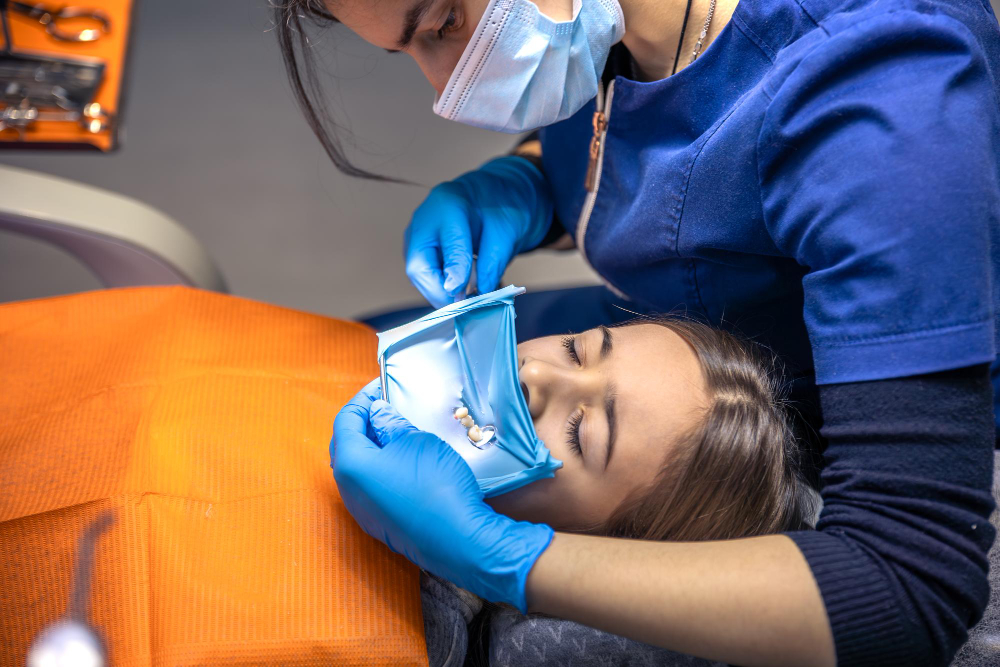
Once you reach the dentist, they will examine your mouth. They may take X-rays to check for hidden damage. The dentist will ask how the injury happened. After that, they will decide the best treatment. Sometimes, the dentist may numb the area to ease pain. In many cases, quick care leads to better results.
Treatment Options for Knocked-Out and Fractured Teeth
Treatment depends on the type and severity of the injury. For knocked-out teeth, the dentist may try to replant the tooth. If the tooth is fractured, they may repair it with a filling or crown. Here are some common treatments:
Early treatment can help save your tooth and prevent infection.
Tips for Prevention and Oral Safety
Although accidents can happen, you can lower your risk. For instance, wearing a mouthguard during sports protects your teeth. Also, avoid biting hard foods or objects. Here are some tips to keep your teeth safe:
When to Seek Emergency Dental Care
Sometimes, waiting is not safe. If you have a dental trauma emergency, see a dentist right away. Seek help if:
Quick care can make a big difference in saving your tooth.
Conclusion
Dental trauma emergencies can be scary, but fast action helps. If you experience dental trauma, consult a dentist immediately for personalized care.