
Introduction
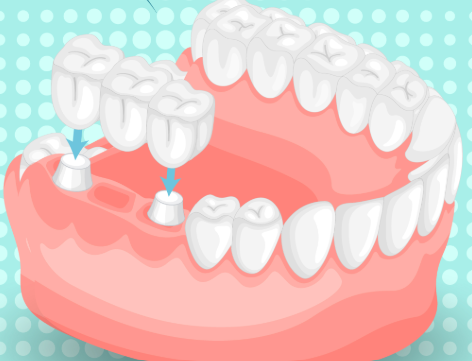
Dental bridges are a common way to replace missing teeth. They fill the gap where one or more teeth are lost. Because missing teeth can affect your smile and chewing, dental bridges help restore both function and appearance. Many people wonder who needs dental bridges and when they are the right choice. This blog will explain when a dental bridge may be needed and how it can help your dental health.
Who Needs Dental Bridges?
Not everyone with missing teeth needs a dental bridge. However, some situations make dental bridges a good option. For example, you may need a dental bridge if:
In many cases, people choose dental bridges for both cosmetic and health reasons. If you are missing teeth, a bridge can help you chew and speak better. It can also keep your bite even and your smile looking natural.
Symptoms and Signs
Sometimes, it is clear you may need a dental bridge. But in other cases, the signs are less obvious. Here are some symptoms that may suggest you need a dental bridge:
If you notice any of these signs, it is important to see your dentist. Early treatment can prevent more dental problems in the future.
Causes of Tooth Loss
There are many reasons why people lose teeth and may need dental bridges. Some common causes include:
According to the American Dental Association, gum disease and tooth decay are the leading causes of tooth loss in adults. Therefore, good oral care is key to prevention.
Diagnosis
Your dentist will check your mouth to see if a dental bridge is right for you. First, they will look at your teeth and gums. Next, they may take X-rays to check the bone and roots. Dentists also ask about your dental history and any problems you have. After this, they will discuss your options for tooth replacement. If your nearby teeth are strong, a dental bridge may be suggested.
Treatment Process
Getting a dental bridge usually takes two or more visits. The steps often include:
After the bridge is placed, your dentist will show you how to care for it. Regular check-ups are important to keep your bridge and other teeth healthy.
Benefits and Considerations
Dental bridges offer many benefits, but there are also things to consider. Here are some key points:
However, bridges require support from healthy teeth. Also, they may need replacement after several years. It is important to discuss all options with your dentist before making a decision.
Prevention and Oral Care Tips
Good oral care can help prevent tooth loss and the need for dental bridges. Here are some tips:
With proper care, you can keep your teeth and dental bridges healthy for many years.
Conclusion
Dental bridges are a trusted way to replace missing teeth and restore your smile. If you think you may need a dental bridge, talk to your dentist. They can help you choose the best option for your dental health and needs. For personalized advice, schedule a dental check-up today.